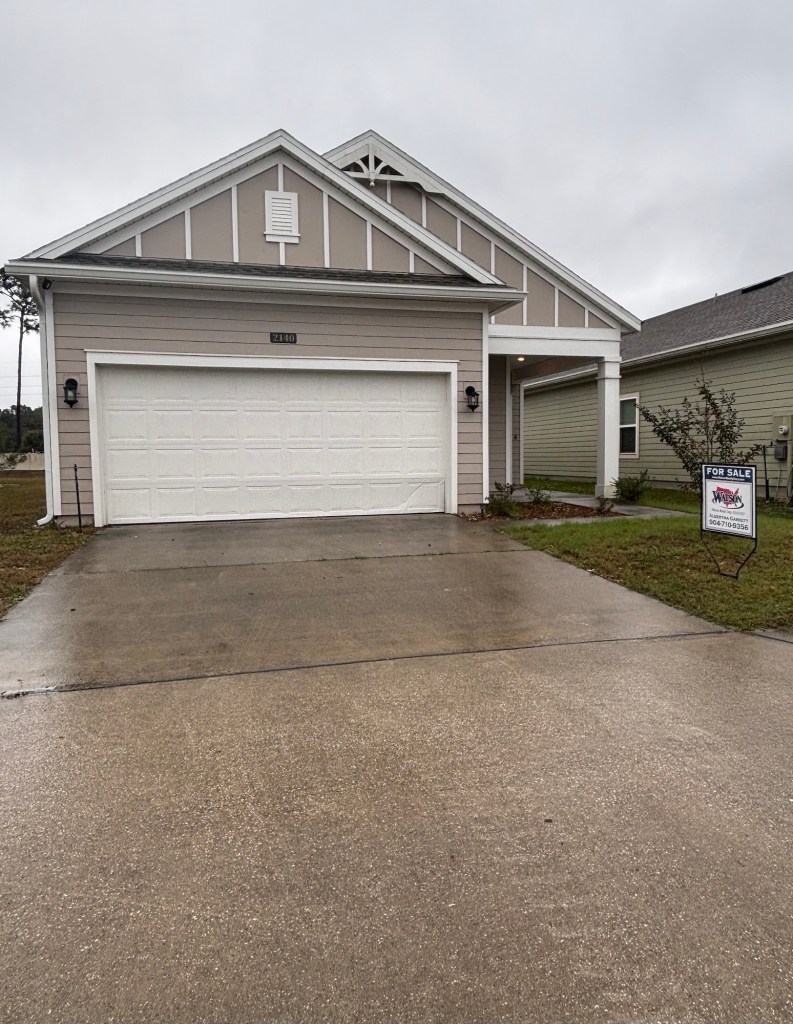
JACKSONVILLE, Fla. — For many Jacksonville residents, finding a place to call home is becoming more than a matter of choosing where to live. It is a question of whether they can afford to stay. As housing expenses consume a growing share of household budgets, residents are facing difficult decisions about where they live, what they can afford and how much longer they can remain in the communities they call home.
The challenge extends beyond the monthly rent or mortgage payment. Utilities, transportation, groceries and other necessities compete for the same limited income, leaving some households with little room for unexpected expenses. According to the U.S. Census Bureau’s 2024 American Community Survey, the median gross rent in Jacksonville was $1,568 per month, including utilities. In Duval County, the median was slightly higher at $1,575.
The financial pressure is particularly significant for lower-income households. A 2025 Rental Market Study prepared by the University of Florida’s Shimberg Center for Housing Studies for Florida Housing Finance Corporation estimated that 55,420 low-income renter households in Duval County spend more than 40% of their income on housing. That represents approximately 31% of all renter households in the county.
For residents already managing competing financial responsibilities, housing costs can mean making difficult adjustments to everyday life. Some may postpone major purchases, reduce discretionary spending or seek additional employment to keep up with monthly expenses.
Those pressures raise broader questions about whether Jacksonville’s housing market is meeting the needs of its existing workforce. Teachers, service industry employees, entry-level professionals and other working residents must navigate a market where available housing does not always align with what their incomes can support.
Local housing advocates have also raised concerns about the availability of rental properties that are both affordable and accessible to households with limited incomes. Increasing the number of housing units does not necessarily resolve the problem if those properties remain financially out of reach.
The challenge extends to homeownership as well. Rising housing expenses, insurance costs, property taxes and the financial requirements of purchasing a home can create additional barriers for prospective buyers.
Jacksonville has pursued affordable housing initiatives intended to expand housing opportunities for residents. However, the effectiveness of those efforts depends on factors such as funding, development timelines, affordability requirements and the number of households ultimately served.
As the city continues to develop, the question of housing affordability remains closely connected to the stability of its neighborhoods and the financial security of its residents. For many, finding an affordable place to live is not simply about securing a roof overhead. It is about having the financial means to remain in the city they call home.


Leave a Reply