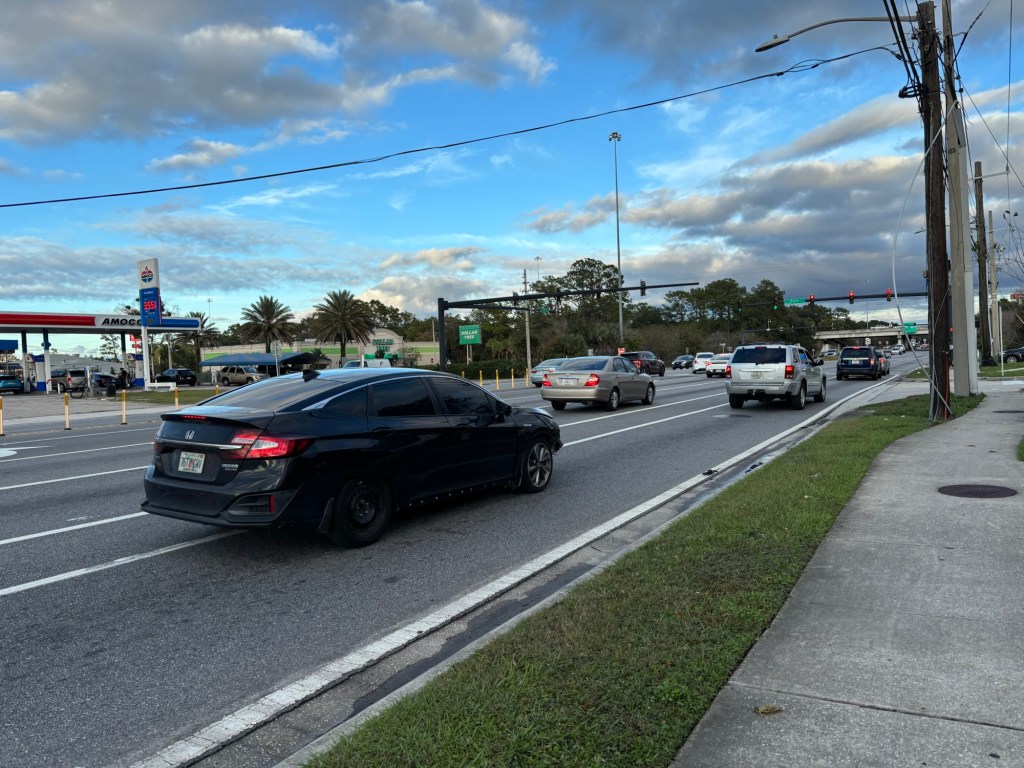
JACKSONVILLE, Fla. — From busy intersections to heavily traveled roadways, getting around Jacksonville comes with risks that extend beyond the occasional traffic delay. In 2026, traffic fatalities and pedestrian deaths continue to raise concerns across Duval County, where speeding, dangerous driving habits and road conditions are contributing to an ongoing public safety problem. For motorists, cyclists and pedestrians navigating the city’s streets, even an ordinary trip can carry serious consequences.
The numbers paint a troubling picture. According to the City of Jacksonville’s Vision Zero Action Plan, approximately 145 people died in traffic-related crashes in 2024. The city also recorded 196,453 crashes between 2018 and 2023, including 921 fatal crashes and 2,770 crashes resulting in serious injuries.
But the problem is not simply the number of vehicles on the road. How Jacksonville’s streets are designed, how drivers behave and how well infrastructure accommodates people outside of vehicles all play a role in determining how safely residents can travel.
For pedestrians and cyclists, the risks are especially concerning. The Jacksonville Sheriff’s Office reported 407 crashes involving pedestrians or bicyclists between January and November 2025. Forty of those crashes resulted in fatalities. By September 2026, JSO had reported 30 pedestrian deaths, compared with 21 at the same point the previous year.
These figures highlight a growing concern for residents who depend on sidewalks, crosswalks and bicycle routes to get where they need to go.
Jacksonville’s sprawling layout also presents transportation challenges. With neighborhoods, shopping centers and workplaces spread across a large geographic area, many residents rely heavily on personal vehicles. In areas where sidewalks, marked crossings and designated bicycle lanes are limited, pedestrians and cyclists can find themselves sharing space with fast-moving traffic.
Driver behavior adds another layer to the problem. Speeding, distracted driving, failure to yield, and disregarding traffic signals can turn already dangerous road conditions into deadly situations. While individual responsibility remains important, safety advocates and transportation planners have increasingly emphasized the need for roadways designed to reduce the likelihood of serious crashes.
In July 2025, the city introduced its first Vision Zero Action Plan, setting a goal to eliminate traffic fatalities and reduce serious injuries by 50% by 2035. The plan identifies high-injury corridors and intersections where crashes are concentrated and recommends improvements such as safer crosswalks, bicycle lanes, and changes to speed limits.
The initiative represents an important step toward addressing Jacksonville’s traffic safety concerns. However, the challenge lies in turning those recommendations into improvements residents can see and experience throughout the city.
Ultimately, safer streets require more than attentive drivers. They require infrastructure that protects everyone who uses it, consistent enforcement of traffic laws, and a commitment to addressing dangerous road conditions before another life is lost.
For Jacksonville residents, the question is no longer simply how to get to their destination. It is whether they can get there safely.


Leave a Reply