By Candyce Johnson | Student Journalist
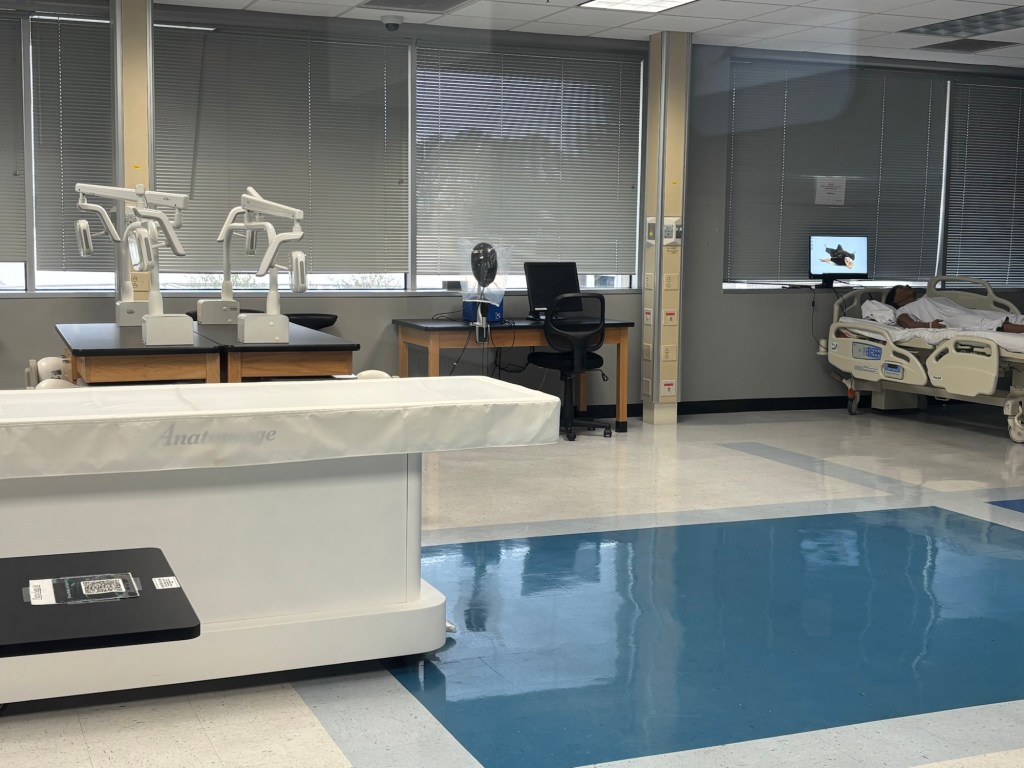
Jacksonville, Fla. — Florida is expanding financial support for nursing education through a new state law designed to help colleges train more nurses, strengthen hands-on learning and better prepare students to enter the workforce.
Senate Bill 1246, known as the Linking Industry to Nursing Education (LINE) Fund Act, took effect July 1, 2026. The law expands opportunities for nursing programs to partner with hospitals and other health care providers, potentially benefiting current and prospective nursing students across Florida.
The goal is to address nursing workforce needs by helping schools increase enrollment, improve graduation rates and provide students with the resources needed to complete their education. However, the law does not guarantee funding for every nursing program, making its impact dependent on available money and partnerships between educational institutions and health care providers.
Under the revised law, eligible contributions from health care partners and other entities can receive dollar-for-dollar matching funds, subject to available funding. Contributions may include money, equipment, training space, employee time and other measurable goods or services. Monetary contributions from health care partners receive priority, and proposals cannot rely entirely on nonmonetary contributions.
The law also expands how schools can use the funding. Eligible activities include recruiting clinical preceptors, increasing student enrollment and program completion, improving nursing licensure exam pass rates, and supporting internships. Schools may also use funds to expand or upgrade existing facilities to accommodate more students or improve classroom and simulation spaces, although new building construction is not permitted.
For nursing students, the changes could mean greater access to practical training and additional educational resources.
The law could also create opportunities for students who are balancing the demands of college with work and other responsibilities. Expanded program capacity and additional training resources could help participating schools better support students as they work toward graduation.
For students interested in nursing, the legislation is worth watching because it encourages stronger connections between educational programs and health care employers. Still, the law does not automatically provide funding to any institution or guarantee more seats in its nursing program.
The legislation also allows approved awards to continue for up to two academic years after initial approval, depending on future state appropriations and continued contributions from health care partners. This could give participating programs more time to develop improvements and strengthen their training resources.
Ultimately, increasing enrollment is only one part of preparing more nurses. Students also need the academic support, clinical experience and preparation required to complete their programs and pass licensing examinations.
The bill passed the Florida Senate 39-0 and the House 112-0 before becoming law as Chapter 2026-101. Its success will depend on how effectively schools and health care partners use the expanded funding opportunities to strengthen nursing education.
For Florida’s future nurses, the law offers a potential path toward better training and more opportunities. Whether those changes translate into meaningful benefits for students will depend on how the program is implemented across the state.


Leave a Reply