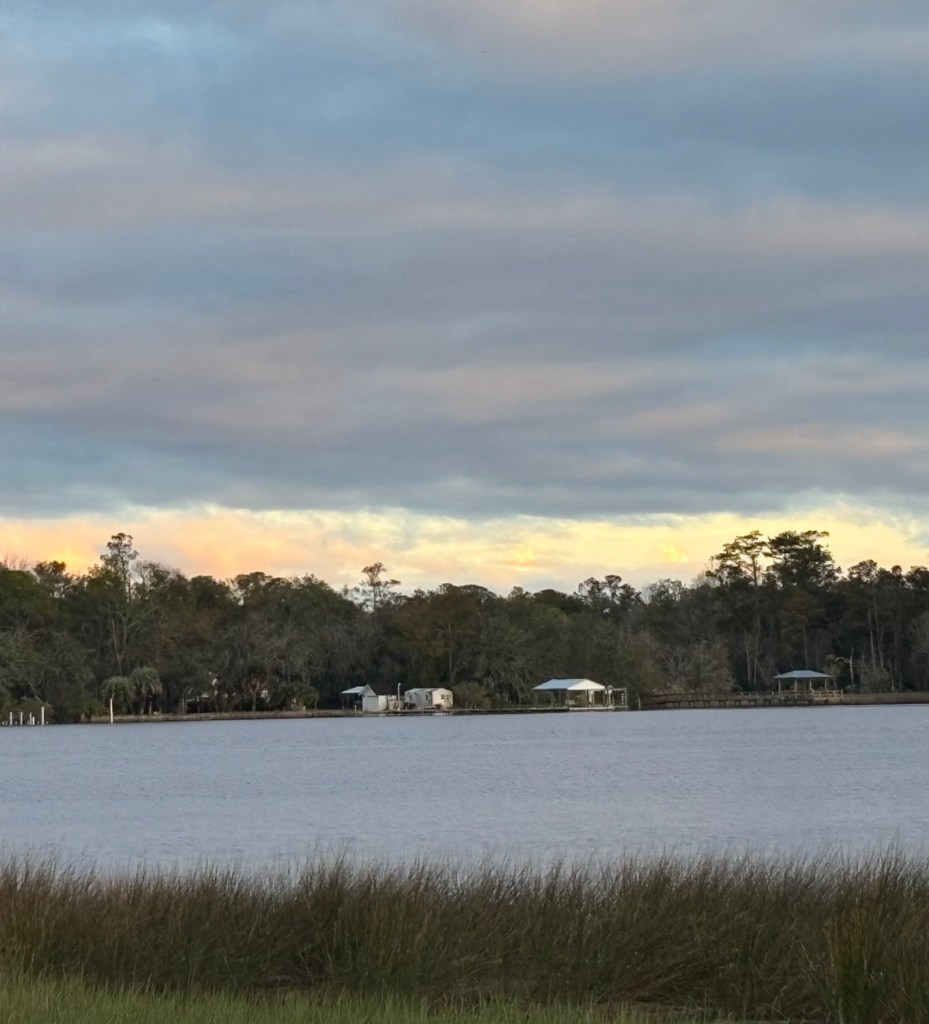
Florida may be known as the Sunshine State, but residents know that beautiful weather can change in a matter of minutes. From sudden afternoon thunderstorms and torrential downpours to flash flooding, extreme heat and hurricanes, Floridians face a variety of weather hazards throughout the year. As unpredictable conditions continue to affect communities across the state, residents are encouraged to take proactive steps to protect their homes, families and personal safety by staying informed, preparing emergency supplies and understanding the risks associated with severe weather.
While Florida’s weather is often associated with sunshine and warm temperatures, its subtropical climate creates conditions that can quickly turn an ordinary day into a dangerous one. Severe weather preparedness is not limited to hurricane season; it requires year-round attention to changing forecasts and potential hazards. Whether navigating flooded streets, preparing for power outages or knowing when to seek shelter during a thunderstorm, understanding how to respond can make a significant difference when severe weather strikes.
According to the National Weather Service, Florida’s rainy season generally brings frequent showers and thunderstorms from late spring through early fall, although timing and conditions vary across the state. These storms can develop quickly, producing dangerous lightning, strong winds and heavy rainfall. Even when a storm does not develop into a hurricane or tropical system, localized flooding can threaten drivers, damage property and disrupt daily routines.
One of the most important precautions residents can take is monitoring weather conditions before heading outdoors. Checking local forecasts, enabling wireless emergency alerts and following updates from the National Weather Service can help people recognize developing threats. Residents should pay particular attention to flood watches and warnings, severe thunderstorm alerts and evacuation notices issued by local officials.
Flooding is among the most dangerous consequences of Florida’s heavy rainfall. According to the Florida Department of Transportation, just six inches of fast-moving water can knock an adult off their feet, while two feet can carry away most vehicles. Drivers should never attempt to cross flooded roadways, regardless of how shallow the water may appear. Taking an alternate route or waiting for conditions to improve is far safer than risking a potentially life-threatening situation.
Preparation at home is equally important. Emergency management officials recommend keeping a basic supply kit stocked with drinking water, nonperishable food, prescription medications, flashlights, extra batteries, first-aid supplies and portable phone chargers. Families should also establish an emergency communication plan, identify safe shelter locations and keep important documents in waterproof containers. Households with children, older adults, pets or individuals with special needs should account for those needs when preparing.
During thunderstorms, residents should move indoors at the first sound of thunder and remain inside until at least 30 minutes after the last thunderclap. Outdoor activities, swimming and seeking shelter beneath trees should be avoided during lightning storms.
Hurricane season, which runs from June 1 through Nov. 30, adds another layer of preparation. Residents should know their evacuation zones, review insurance coverage and secure outdoor furniture before a storm approaches.
Ultimately, preparing for Florida’s unpredictable weather means recognizing that sunshine is never a guarantee of safety. A little preparation before the forecast changes can help families avoid unnecessary risks and respond with confidence when conditions take a turn.
Residents should prepare for extreme heat by drinking water, limiting outdoor activity during peak temperatures, and checking on vulnerable neighbors. County emergency offices provide guidance tailored to local risks.


Leave a Reply